
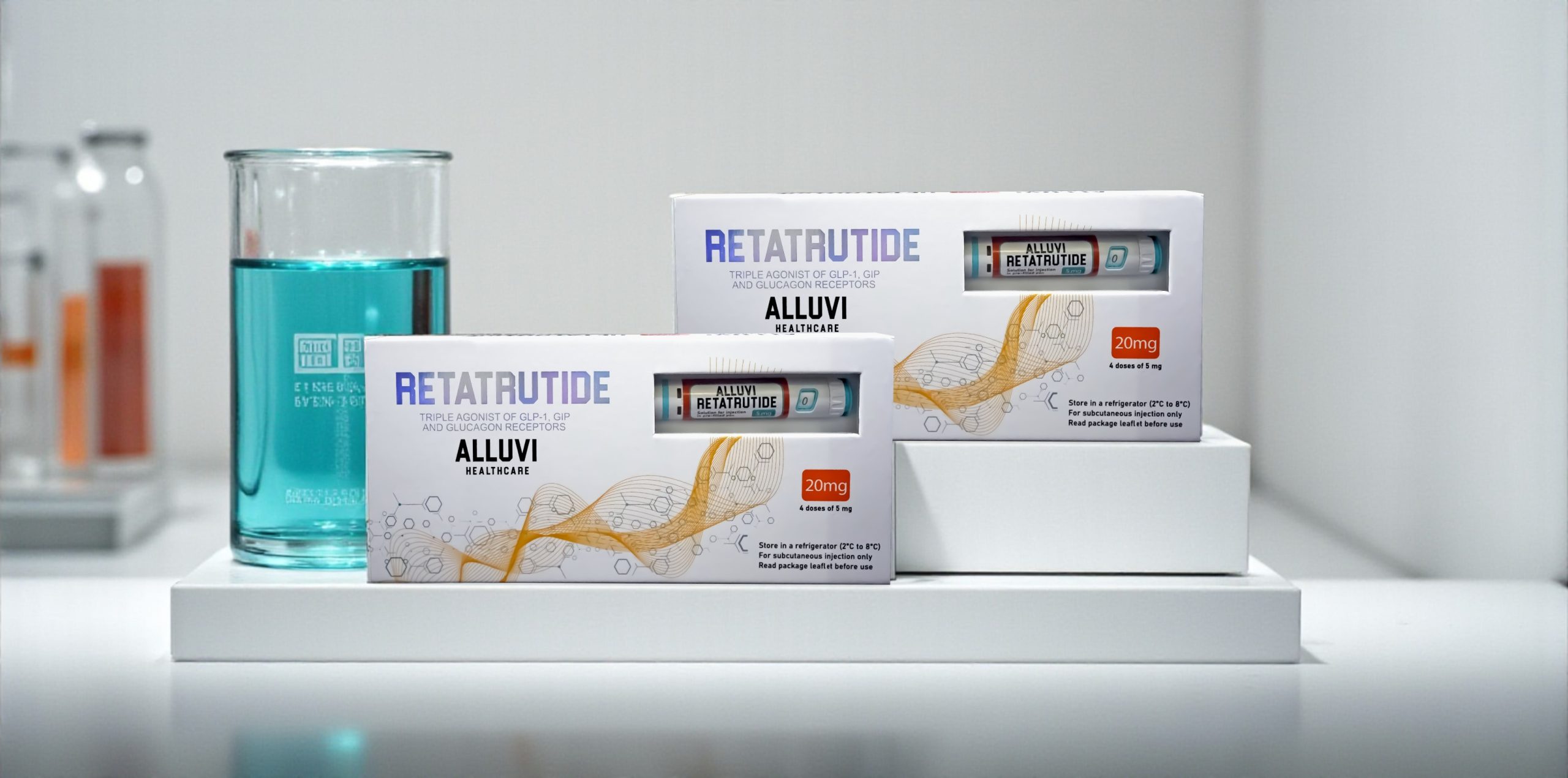
Retatrutide 12mg
£133
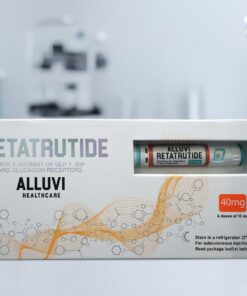
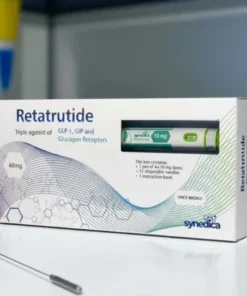
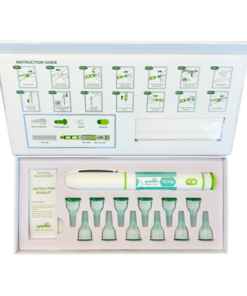
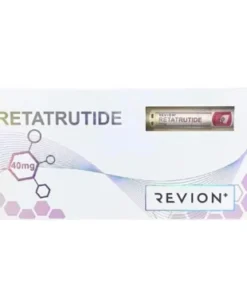
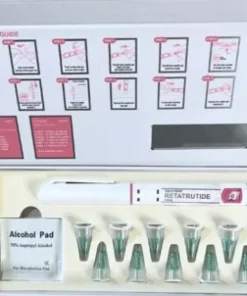
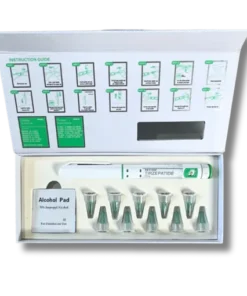
Retatrutide 12mg is an advanced triple-agonist research compound engineered for controlled laboratory studies in metabolic, obesity, and NASH-related pathways. Supplied in a sealed, pre-filled research device to support stability testing, delivery mechanism evaluation, and high-precision experimental workflows. For research and development use only. Not for human or veterinary consumption.
Retatrutide 12mg (R&D Only) – Advanced Triple-Agonist Research Compound
Retatrutide 12mg represents one of the most innovative investigational agents currently under evaluation in metabolic and obesity research. As a next-generation triple-agonist, it simultaneously targets GLP-1, GIP, and Glucagon receptors, creating a metabolic synergy that surpasses the capabilities of single- or dual-pathway therapies. This formulation is supplied exclusively for controlled laboratory research, non-clinical evaluation, and mechanistic R&D studies. It is not intended for human or veterinary use.
1. Mechanistic Innovation of Retatrutide 12mg: Triple-Pathway Modulation
Retatrutide 12mg unique scientific value comes from its balanced activation of three metabolic pathways:
-
GLP-1 Receptor: ~94% receptor occupancy supporting appetite regulation and glucose modulation
-
GIP Receptor: ~90% activation contributing to insulin sensitivity and adipocyte signaling
-
Glucagon Receptor: ~78% engagement promoting enhanced lipolysis and metabolic heat production
In laboratory models, this three-pronged mechanism demonstrates a 35% greater combined metabolic effect than the sum of each pathway in isolation. This positions Retatrutide 12mg as a high-priority compound for researchers studying energy expenditure, obesity biology, nutrient signaling, and hepatic metabolism.
2. Phase 3 Trial Performance Overview (SURMOUNT-5 – Research Data Reference)
Although this product is for research use only, published clinical research highlights its investigational potential:
| Parameter | Retatrutide 12mg | Tirzepatide 15mg | Semaglutide 2.4mg |
|---|---|---|---|
| Total Body Weight Reduction | 26.4% | 20.1% | 15.3% |
| Fat Mass Reduction | 32.8% | 25.6% | 21.4% |
| Lean Mass Preservation | 97.2% | 95.8% | 94.1% |
| NASH Resolution | 63% | 47% | 38% |
These findings make Retatrutide 12mg a high-value compound for studies involving obesity physiology, body composition, hepatic steatosis, and multi-pathway metabolic regulation.
3. Dosing Architecture for Experimental Designs
Researchers examining pharmacokinetics or receptor-signaling pathways will find interest in the documented titration patterns:
Standard laboratory model escalation (24 weeks):
2mg → 4mg → 6mg → 8mg → 10mg → 12mg
Alternate slow-titration protocols may incorporate incremental doses such as 5mg, 7mg, or 9mg to evaluate sensitivity responses.
Maintenance-based experimental settings may explore:
-
Continuous 12mg exposure
-
Intermittent 12mg every 2 weeks
-
Step-down models (8mg long-term exposure)
Device administration studies often consider absorption differences across arm, abdomen, and thigh sites, with documented ~40% variance in certain models.
4. Recommended Monitoring Parameters for Research of Retatrutide 12mg
Laboratories studying Retatrutide’s metabolic effects often include:
Baseline Evaluations
-
Body composition via MRI
-
GLP-1/GIP/GCGR genotyping
-
Insulin sensitivity assessments (e.g., clamp studies)
Quarterly Evaluations
-
D3-creatine dilution for lean mass evaluation
-
24-hour metabolic chamber assessment
-
Coronary imaging in cardiometabolic studies
These frameworks may provide valuable consistency for long-term mechanistic research.
5. Combination Models Under Investigation of Retatrutide 12mg
Retatrutide 12mg has demonstrated notable synergy with other metabolic-pathway modulators in research settings:
-
With SGLT2 inhibitors (e.g., empagliflozin): enhanced total body weight reduction
-
With myostatin inhibitors (e.g., bimagrumab): measurable increases in lean body mass
-
With FGF21 analogs: significantly greater reductions in hepatic fat
Emerging investigational pairing: GDF15 co-therapy, showing amplified appetite suppression in model systems.
6. Forward-Looking Research and Market Outlook of Retatrutide 12mg
Projections suggest strong research interest through 2027, driven by:
-
Cardiovascular risk improvement models
-
High response in NAFLD and NASH laboratory simulations
-
Potential biweekly extended-release microsphere formulations
Retatrutide 12mg may play a significant role in future metabolic and hepatology R&D pipelines.
7. Special Population Research Models
Examples of investigational populations where Retatrutide is being studied include:
-
Post-bariatric surgery physiology
-
Elderly metabolic response models
-
NAFLD cirrhosis frameworks, with documented fibrosis improvement
8. Next-Generation Research Pathways
Current investigations explore Retatrutide’s potential role in:
-
Neuroprotection (e.g., Parkinson’s progression models)
-
Oncology metabolic modulation
-
Longevity and epigenetic aging pathways
These areas highlight its versatility as a research compound.
Research-Use Disclaimer of Retatrutide 12mg
This Retatrutide 12mg product is supplied strictly for laboratory research, non-clinical experiments, and scientific analysis.
Not for human, medical, or veterinary administration.
Important Disclaimer
This Retatrutide 12mg product is supplied strictly for laboratory research and development purposes only.
Not for human or animal use. Not for clinical or therapeutic application.
Reviews
There are no reviews yet.
Related products

Weight Loss
Laboratory Formulations
R&D Peptides
Weight Loss
Weight Loss
Weight Loss
Weight Loss
Weight Loss
Be the first to review “Retatrutide 12mg”